Bricks have been a fundamental part of construction here in the UK for centuries. From traditional homes to modern commercial buildings, the type of brick used plays a key role, not only in terms of structure and stability, but also in aesthetics and design requirements.
Builders and architects have a range of bricks to choose from, each of which comes with its own unique properties.
Understanding and differentiating between the different types of bricks will help you pick the right ones for your specific project, which is why the team here at Emerys have written this guide to give you a better idea of the different types of common bricks used in UK construction.
What are the Different Types of Bricks Used in the UK?
In the UK, the construction industry predominantly uses clay and concrete bricks.
Clay bricks are made from natural clay and are fired in kilns; they provide fantastic durability and thermal properties. These include facing bricks, which are a good option for exposed walls
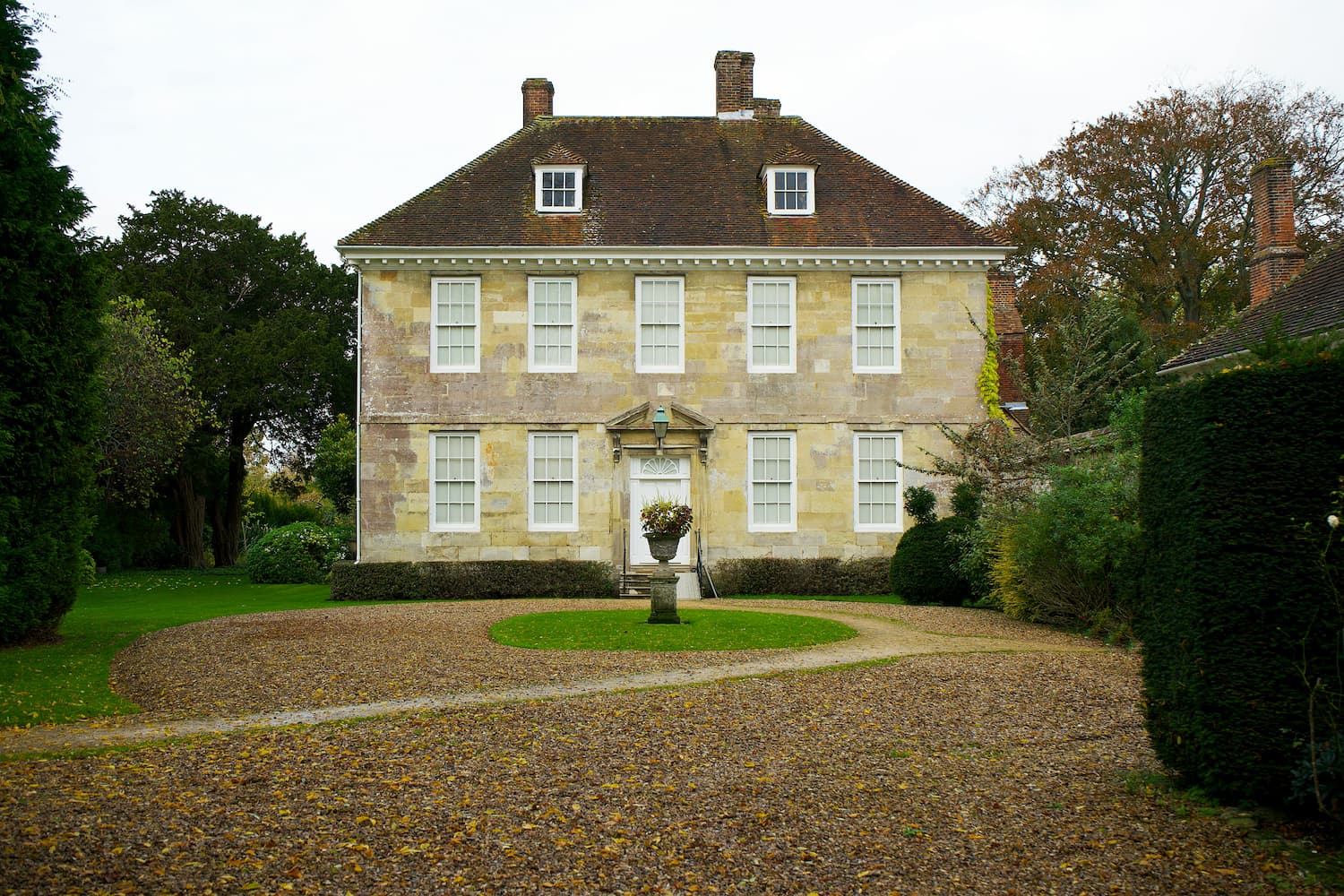
If you're looking to lay a driveway, gravel can be a good alternative to asphalt and concrete. It is a material that offers durability, aesthetic appeal, and effective drainage. With this quick guide, you can grasp an understanding as to how to lay a gravel driveway. From preparing the ground, installing the driveway, and choosing the right thickness for your project. We’ll cover all angles.
How Do You Prepare the Ground For a Gravel Driveway?
Before you lay a gravel driveway, make sure the ground is properly prepared. This will help you create a stable base, prevent sinking, improve drainage, and ensure the driveway lasts.
Steps for preparing the ground for a gravel driveway:
Clear and excavate the driveway, removing grass, topsoil, roots, and debris to a depth of approximately 6 to 12 inches.
Shape the area so that water drains away properly. You can achieve this by slightly sloping it to the sides or away from buildings.
Compact the soil firmly using a plate compactor or roller.