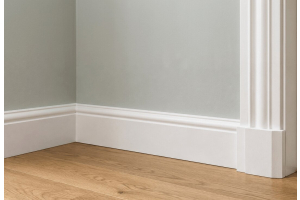
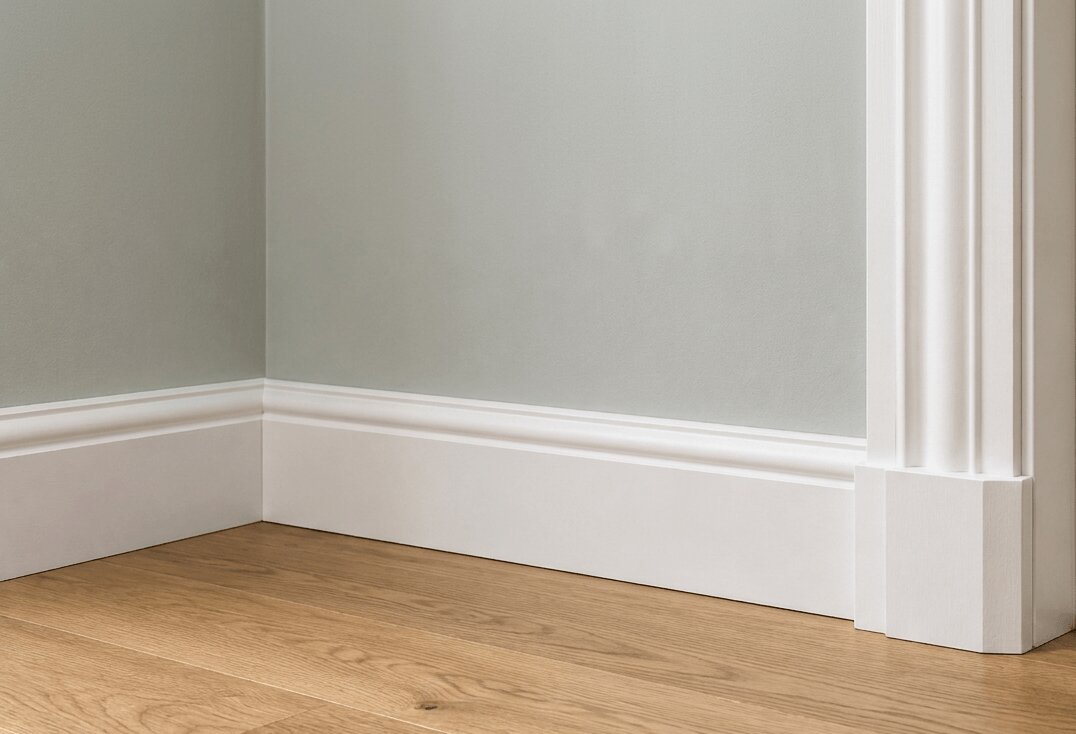
Often overlooked, skirting boards and architrave play a key role in interior design, not only putting the finishing touches on a neat living space, but also protecting the walls from scuffs and knocks.
When utilised correctly, they perfectly frame doors and windows, and are one of the unsung heroes of interior construction.
However, there are actually numerous profiles, more than many expect. We have laid out below the different types of skirting & architrave and given comparisons to help you choose a profile.
What Are the Different Architrave and Skirting Profiles?
The term "profile" simply refers to the shape you see when you look at the cross-section of the timber. Some are curved, some are stepped, some are completely flat. Each one has a different visual weight and suits different architectural styles. Here are the main profiles you'll come across.
Torus
Torus is probably the most widely used skirting and architrave profile in the UK, and features a large and rounded bullnose curve
Choosing the right cement product can make or break a job. When builders pick an incorrect mix for their application, poor adhesion, cracking, and finishes that don’t last often occur.
We stock various cement and concrete products, covering major brands, alongside convenient delivery and collection options.
Here's a rundown of the brands we stock and what they're actually used for.
What Are the Best Cement and Concrete Brands?
Here's a rundown of the cement and concrete brands worth knowing, and what each one does best:
Blue Circle
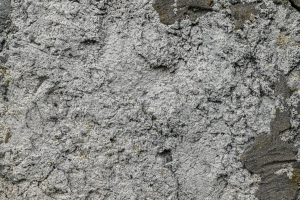
On UK building sites, Blue Circle Mastercrete is probably the most reached-for bag. It handles most standard concrete and mortar applications without fuss, including bricklaying, rendering, and general repair work. The workability is consistently good, and it produces a smooth finish whether you're mixing by hand or in a drum. If you're not sure which cement to order for a general job, Mastercrete is usually the right call.
What Are PIR Insulation Boards and Where Are They Used?
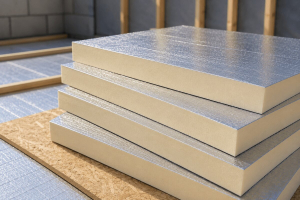
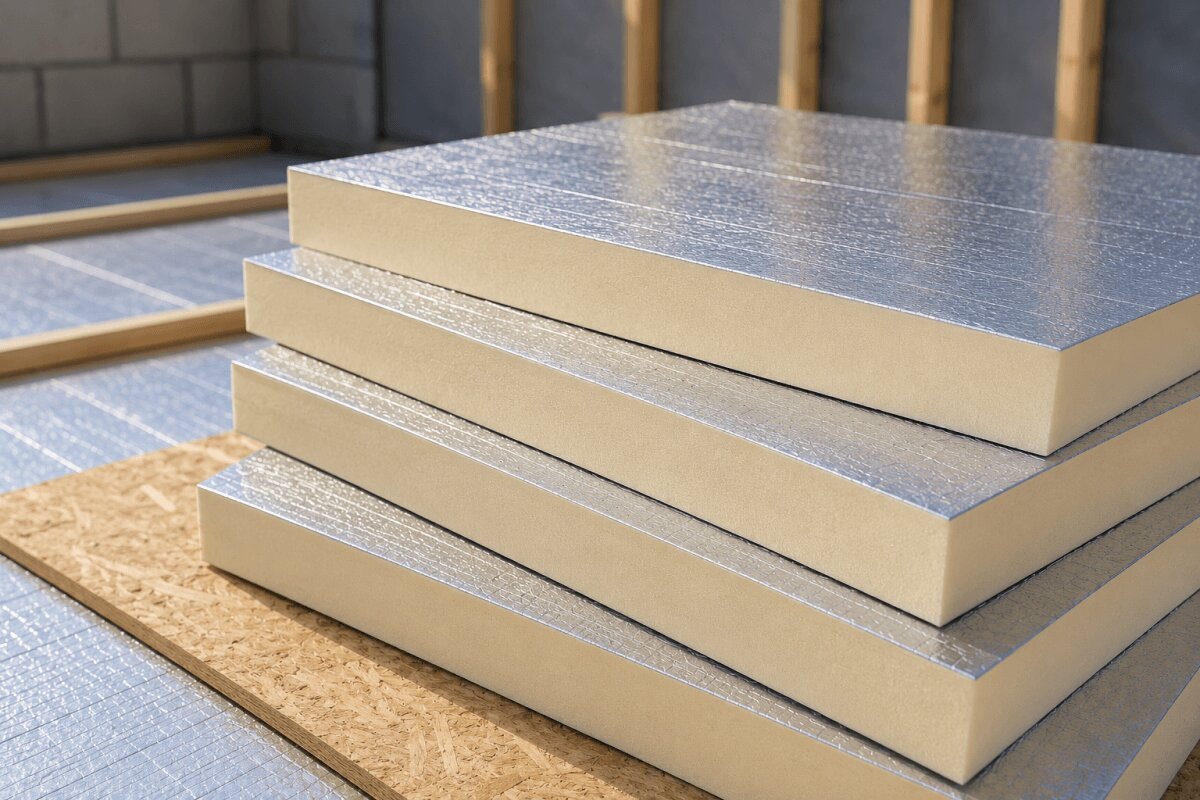
PIR insulation boards are rigid foam panels used to reduce heat loss in buildings. They are one of the most thermally efficient insulation materials available, which is why they are such a popular choice across both new builds and retrofit projects. PIR boards are used in floors, walls, and roofs, across domestic homes, commercial buildings, and agricultural or industrial structures. Their low thermal conductivity means you get strong performance without needing excessive thickness.
What Is PIR Insulation Made Of?
PIR stands for polyisocyanurate, a rigid foam developed as an improvement on polyurethane (PUR) insulation.
During manufacture, a liquid foam mixture is laid onto a facing material, where a blowing agent triggers a chemical reaction. The foam expands and rises to meet the opposing face. From there, the result is a closed-cell structure that traps gas inside, and the gas is what gives PIR its thermal qualities.