


Bricks have been a fundamental part of construction here in the UK for centuries. From traditional homes to modern commercial buildings, the type of brick used plays a key role, not only in terms of structure and stability, but also in aesthetics and design requirements.
Builders and architects have a range of bricks to choose from, each of which comes with its own unique properties.
Understanding and differentiating between the different types of bricks will help you pick the right ones for your specific project, which is why the team here at Emerys have written this guide to give you a better idea of the different types of common bricks used in UK construction.
What are the Different Types of Bricks Used in the UK?
In the UK, the construction industry predominantly uses clay and concrete bricks.
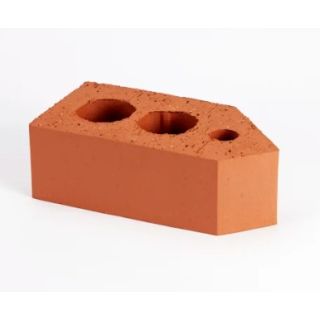
Clay bricks are made from natural clay and are fired in kilns; they provide fantastic durability and thermal properties. These include facing bricks, which are a good option for exposed walls and contribute to building aesthetics, and engineering bricks, which are strong and often chosen for low water absorption.
Concrete bricks are made from cement, sand, and aggregates. They are very versatile bricks and are commonly used for internal and garden walls, as well as paving projects. Popular UK brands include Forterra, Northcot, Blockleys, and Carlton.
Additionally, fly ash bricks and fire bricks are often used, with the latter being excellent for fireplaces, chimneys, and kilns.
Typical Uses For Each Type of Brick
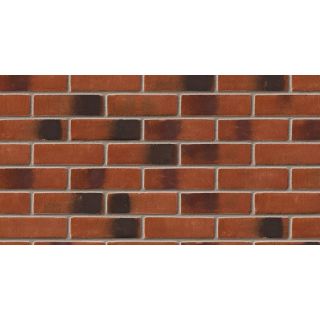
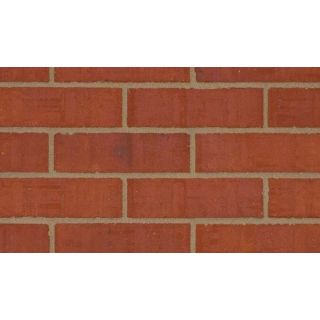
Facing bricks are mainly used for exterior walls, where the goal is to create an aesthetically pleasing finish. Engineering bricks are typically used in foundations, retaining walls, and areas exposed to water because they are strong and feature moisture-resistant properties.
For structural walls, internal partitions, and garden features, concrete bricks are a good choice, while fly ash bricks are suitable for energy-efficient buildings and green residential projects.
Fire bricks are imperative in areas that are subject to extreme heat, while perforated bricks are used in non-load-bearing walls to reduce material costs and improve insulation.
When it comes to coursing bricks, they are used for the maintenance of brickwork levels, making them essential for precise construction.
Common Names and Classifications
By material, bricks are categorised as clay bricks, concrete bricks, or calcium silicate bricks. The strength grades range from 7.3 N/mm² to over 100 N/mm² for engineering applications.
In wet climates, especially, water absorption classifications are vital. Engineering bricks typically absorb less than 4.5%.
Visual classifications include several finishes, such as smooth, textured, and rustic.
What is the Most Common Brick in the UK?
The standard clay facing brick is the most commonly used in the UK. It is used in both residential construction, chosen regularly on account of its versatility, durability, and finish.
Closing Thoughts from Emerys
There are numerous bricks that are used in the UK for different purposes, with clay facing bricks being the most common.
With there being so many options available, we understand it can be difficult to choose the correct one. If you have any additional questions regarding bricks and which one would be best for your project, please get in touch with the team here at Emerys.