
If you're looking to lay a driveway, gravel can be a good alternative to asphalt and concrete. It is a material that offers durability, aesthetic appeal, and effective drainage. With this quick guide, you can grasp an understanding as to how to lay a gravel driveway. From preparing the ground, installing the driveway, and choosing the right thickness for your project. We’ll cover all angles.
How Do You Prepare the Ground For a Gravel Driveway?
Before you lay a gravel driveway, make sure the ground is properly prepared. This will help you create a stable base, prevent sinking, improve drainage, and ensure the driveway lasts.
Steps for preparing the ground for a gravel driveway:
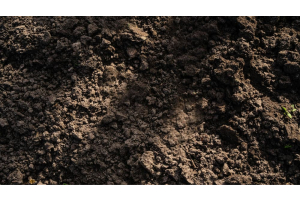
Clear and excavate the driveway, removing grass, topsoil, roots, and debris to a depth of approximately 6 to 12 inches.
Shape the area so that water drains away properly. You can achieve this by slightly sloping it to the sides or away from buildings.
Compact the soil firmly using a plate compactor or roller.
Lay a geotextile fabric, then spread a 4 to 6 inch layer of crushed stone, compacting thoroughly to create the driveway’s structural base.
Spread a layer of crushed stone and a top layer of smaller gravel. Compact both layers for strength and effective drainage.
Step-by-Step Basics of Laying a Gravel Driveway
Once the groundwork is in place, start building the driveway by spreading a uniform layer of larger crushed stone across the area. Aim for roughly 4 to 6 inches, as this depth provides stability and helps water drain properly. Compact this base layer using a plate compactor to form a firm, level foundation.
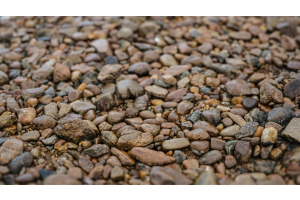
With the base set, add a second layer of smaller building aggregates like crushed stone or pea gravel at around two to three inches. Rake it out until the surface is even and uniform. Finish by compacting the top layer so the gravel locks together and forms a solid, long-lasting driveway surface.
How to Maintain a Gravel Driveway
Maintaining a gravel driveway is important. It prevents rust, potholes, and weed growth, and extends the lifespan of your driveway.
For gravel driveway maintenance, grade it with a sturdy rake or shovel. This breaks up bumps and fills in low spots. Try to create a gentle slope from the centre of the driveway out to the edges.
Weed regularly, pulling them out by hand before they start to settle and spread. Alternatively, you can lay down a weed barrier fabric beneath the gravel to prevent weed growth.
If you see thin spots or erosion, spread a fresh layer of gravel evenly, then compact it by slowly driving over it or using a compactor.
How Thick Should Gravel Be Under a Driveway?
Gravel thickness depends heavily on the type of driveway. Here are some examples of standard thicknesses for different driveways:
Residential driveway on firm soil: 6 inches
Residential driveway on soft soil: 8 inches
Rural driveway for heavy vehicles like trucks: 10 inches.
Using Driveway Grids For a Gravel Driveway
An optional, but excellent, way to enhance your gravel driveway is to use gravel driveway grids.
They are panels that help lock the gravel in place, preventing ruts and improving the driveway’s load-bearing strength.
It can be a particularly beneficial addition to your driveway if it sees regular traffic or if heavy vehicles like trucks are parked there.
Despite it being an optional upgrade, it will help reduce wear and tear over time.
To Wrap Up
Laying a gravel driveway can serve a number of aesthetic and practical benefits, but only if done right. Refer back to this guide to better understand the preparation, installation, and maintenance process so that you can install a gravel driveway that lasts.
You can find all the supplies you need, under one roof here at Emerys, including all your building materials and aggregates. You can always get in touch with us with any questions about your driveway or the supplies needed.