



Whether you're a builder on a busy site or a homeowner tackling a weekend project, wielding the right power tool makes cutting and shaping timber faster, safer, and more accurate. While most power tools can adapt to a variety of cutting jobs, finding the right machine for your project can make a world of difference, saving you time and money.
This guide covers the tools that matter most and breaks down whether they’re suited for a professional or DIY project, and what to expect to pay if you’re adding any of these tools to your collection.
Buying Cutting Power Tools for Timber
Prices in the table below are general estimated ranges covering entry-level to professional-grade power tools. These prices range from budget models for simpler projects to cordless models with professional-grade features for commercial construction and renovations.
| Power Tools | Best Use | Avg. Price |
| Circular Saw | Ripping sheet materials, structural timber & decking on a fixed workstation | ~£40–£300 |
| Jigsaw | Curved cuts, scribing skirting boards, trimming sheet materials & laminate flooring | ~£60–£200 |
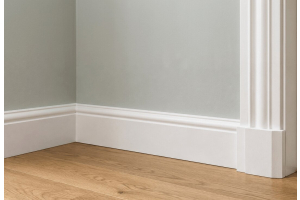
| Mitre Saw | Angled cuts, in skirting, architrave, door linings, mouldings & decking frames | ~£80–£600 |
| Electric Planer | Sizing timber, easing doors, trimming stud work flush & chamfering decking | ~£40–£250 |
| Plunge Saw | Precision rip cuts in sheet materials (plywood, MDF, chipboard). Includes guide rail | ~£120–£500 |
| Router | Light edge profiling, decorative trim work & occasional rebating for home use | ~£50–£350 |
Using the right tool on the right project applications will make the most of your machine, maintaining its longevity and completing tasks on your site quickly and efficiently.
Circular Saw: Your Most Versatile Cutting Tool
If you could only own one cutting tool, a circular saw would be it. Professionals use it to rip carcassing timber, cut sheet materials, and bevel joists. DIYers will find it handles decking, timber cladding, and garden structures that would take far longer with a handsaw.
Look for a brushless motor and a 165mm or 184mm blade. Cordless 18V models from DeWalt and Makita are the standard on UK sites. Both brands offer body-only options that slot straight onto your existing battery platform.
Pair with sawn or PSE timber from Emerys and you're ready to start cutting.
Jigsaw: For Curves, Scribing, and Tight Spaces
A jigsaw handles any cut a circular saw can't, such as curved profiles, scribing skirting to an uneven wall, cutting around pipe runs in decking, or trimming laminate flooring into awkward corners.
Choose one with variable speed and a tool-free blade change. An 18V cordless model on your existing battery platform keeps the kit lightweight and cost-effective.
Mitre Saw: Accurate Crosscuts Every Time
For repeatable angled cuts, there is no better tool. Builders use a mitre saw for skirting, architrave, door linings, and roof timbers. At home, it's the right choice for fitting flooring, building a pergola, or refreshing a room with new mouldings.
A sliding compound mitre saw gives you the widest cross-cut capacity, which is essential for compound angles in coving and stair work. Corded models offer more power for heavier structural cuts.
Electric Planer: Size, Smooth, and Fit
An electric planer sizes timber, eases sticking doors, trims stud work flush, and puts a clean chamfer on decking boards. Tradespeople reach for one daily on site; home improvers will find it invaluable for doors, rough-sawn timber, and finishing work before painting or staining.
Plunge Saw: Precision Sheet Cutting
A plunge saw with a guide rail gives a factory-edge finish on sheet materials every time. Unlike a standard circular saw, the blade starts inside the cut — eliminating kickback at the start and producing a perfectly clean line. Cabinet makers, joiners, and site carpenters who regularly cut plywood, MDF, or chipboard to size will use one over a circular saw for any precision cut.
Router: Joinery, Profiles, & Shaped Edges
A router is the most adaptable shaping tool in timber work. With the right bit, it can cut rebates, dadoes, grooves, mortices, and decorative profiles — work that would take hours by hand. It is essential for cabinet making, stair strings, window and door joinery, and any project where the timber’s edge needs to be profiled.
A 1,200W plunge router with a 1/2" collet and variable speed handles the full range of professional bits. For occasional home use, a compact fixed-base router with a 1/4" collet is lighter and easier to control.
Shop at Emerys for Your Tools and Timber Today
One of the biggest advantages of buying from Emerys is that you can source your power tools and your timber in the same order.
No chasing multiple suppliers, no mismatched deliveries. We stock everything from structural carcassing and treated decking timber to sheet materials and mouldings. Call today to speak to our team about inquiries and pricing on professional power tools.