


Sawn carcassing timber is rough-sawn structural softwood sold in nominal sizes, used as the hidden framework of buildings. Think roof rafters, floor joists, stud walls, and general structural framing. It's one of the most widely used materials on any UK building site, yet it's rarely seen in the finished structure because it lives behind plasterboard, under floorboards, and within roof voids.
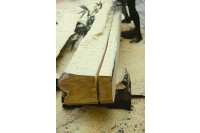
Unlike finished timber products, carcassing isn't planed or smoothed. It comes straight from the sawmill with a rough surface and slight variation in dimensions. That's completely fine for East Midlands structural applications where the timber is concealed, because aesthetics don't matter here, strength and reliability do.
How Is It Different From Regularised Timber and PSE?
It helps to understand where sawn carcassing sits alongside other timber types:
Sawn Carcassing
Rough-sawn, sold to nominal dimensions (e.g. 47x150mm), with slight size variation between pieces. The go-to for most structural framing work.
Regularised Timber
Machined to a consistent, precise depth so every piece is the same height. Preferred when joists or rafters need to sit perfectly level in a frame without shimming or packing.
PSE (Planed Square Edge)
Smooth on all four faces, PSE is a brilliant choice for joinery, shelving, and any visible application. For structural carcassing work, it isn’t typically used.
For most structural framing on UK sites, sawn or regularised carcassing is specified. PSE is reserved for work you can actually see.
Strength Grades: C16 vs C24
In the UK, structural carcassing timber is strength graded. This is an effective method that helps to confirm that it meets the minimum load bearing requirements and there are two grades you’ll encounter most often:
C16 is the most widely used grade on domestic projects. It is suitable for standard applications including stud walls, floor joists on typical spans, and general roof framing, while also being cost-effective and readily available.
C24 is a higher-strength grade that is used when loads are greater, spans are longer, or where a structural engineer has specifically called for it. Commonly specified for longer floor joist runs, heavier roof structures, and any application where deflection needs to be minimised.
Always check your structural drawings or speak to your engineer if you're unsure which grade to use.
Substituting C16 where C24 has been specified is a building regulations compliance issue, not just a performance one.
Common Sizes Used on UK Sites
Sawn carcassing is available in a range of cross-sections to suit different structural applications. The most commonly ordered sizes on UK sites are:
47 x 100mm: stud walls, noggins, trimmer joists, and general framing.
47 x 150mm: floor joists on shorter spans, rafters, and ceiling joists.
47 x 200mm: floor joists on longer spans, ridge boards, and heavily loaded rafters.
Standard lengths run from 2.4m up to 6.0m, with 3.0m, 4.2m, and 4.8m among the most frequently ordered lengths on site. Buying in the closest length to your cut size reduces waste and keeps material costs down.
Does Carcassing Timber Need to Be Treated?
In most cases, yes. Timber used in roofing, flooring, and wall framing in the UK is typically supplied pre-treated with a preservative to protect against rot, fungal decay, and insect attack.
It’s really an essential approach when there’s any risk of moisture exposure, be that in ground floor applications, poorly ventilated roof voids, and external framing; they all benefit from treated stock.
Look for green-treated or tanalised carcassing when ordering for these situations.
Untreated carcassing is available but is generally only suitable for interior, dry-use conditions where moisture levels remain consistently low.
Order Sawn Carcassing Timber Online
Browse Emerys' full range of sawn carcassing timber and structural softwood products for current stock and sizing options.
We provide premium timber products to East Midlands tradespeople and DIYers.
FAQs
What is the difference between sawn and regularised timber?
Sawn timber is cut to nominal size at the mill and carries slight variation in dimension between pieces. Regularised timber is machined to a precise, consistent depth to be useful where multiple joists need to run perfectly level without adjustment.
What size carcassing timber for floor joists?
47x150mm is standard for most domestic floor joist applications. For longer spans or heavier loads, 47x200mm is commonly used. Always refer to span tables or a structural engineer's specification before ordering.
Does carcassing timber need to be treated?
For most structural applications, especially roofing and flooring, treated (tanalised) carcassing is recommended and often required under building regulations. Always confirm the spec before placing your order.