When it comes to selecting a good paving material for a driveway or garden, the ideal scenario is something that looks the part and does the job. Often, driveway spaces do one but not the other.
Two popular options are Indian stone and porcelain paving; they’re popular for good reason. However, many find themselves stuck when it comes to making that selection.
If you’re unsure which way to go, read on as we give you all the useful information you need.
Advantages of Indian Stone
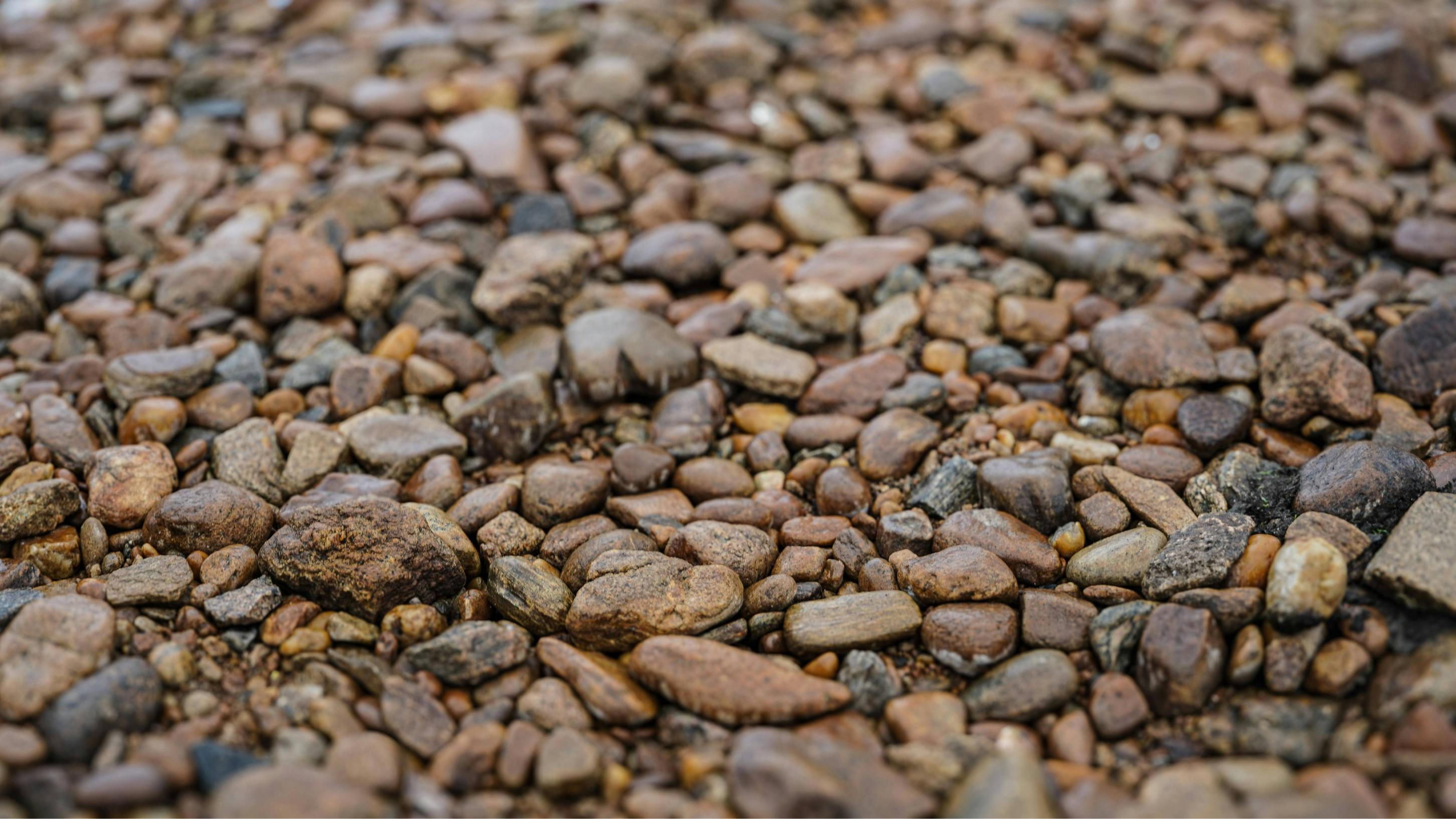
Indian stone is a natural material quarried directly from the Indian subcontinent, one that has been a staple of garden design in the West Midlands for decades, known for its earthy tones, tactile surface, and organic character.
These are some of the main Indian Stone benefits:
Aesthetic character: Each slab is slightly different, contrasting to alternative identical options. In turn, this gives patios more identity and a look that gets better as time goes on.
Fantastic value: Generally speaking, Indian stone sets you back less than porcelain, often chosen by those completing a bigger project or operating with less budget.
Available in different colours: You can choose from various tones, such as silver cobble and Raj blend.
Long-term purchase: Well-laid, it can last for decades with proper care and sealing.
Advantages of Porcelain Paving
Man-made, porcelain is made by firing clay and other natural minerals at a very high temperature, creating a dense and non-porous tile that’s uniform in thickness, around 20mm, and, again, offered in various textures and formats.
Here's why porcelain has become one of the fastest-growing choices in garden paving:
Non-porous surface: Porcelain paving is very resistant to stains, frost and moisture; it also doesn’t need sealing.
Very low maintenance: You can clean using just water and a brush, ideal if you want a low-effort space.
Consistent appearance: The uniform colour and consistent finish offers a very sleek appearance.
Scratch and fade resistant: It can hold its colour and texture as time goes on, regardless of harsh Midlands weather.
Wide design choice: From large-format grey slabs to wood-effect planks, there's a porcelain style for every aesthetic.
Indian Stone or Porcelain Paving?
Ultimately, it comes down to your priorities. This comparison of Indian stone and porcelain paving should give you a clearer idea:
Feature | Indian Stone | Porcelain Paving |
Material | Natural sandstone | Ceramic or clay (man made) |
Cost | Lower (and excellent value for money) | Higher initially |
Appearance | Organic, unique, rustic charm | Uniform, sleek, modern |
Maintenance | Requires sealing every 2 to 3 years | Minimal, no sealing is needed |
Long-term reliability | High as long as it’s sealed | Excellent |
Slip resistance | Natural textured surface | Anti-slip finish as standard |
Porosity | Porous, so it can stain | Not porous and is resistant to staining |
Best used for | Traditional & cottage gardens | Contemporary & modern spaces |
Eco credentials | Natural, fewer chemicals | Manufactured product |
If budget is your main concern or you’re going for a natural, aged look of real stone, Indian sandstone is hard to beat. If you want a lower maintenance, modern finish that will look pristine year after year, porcelain is worth that higher price.
Example of Premium Paving Available at Emerys
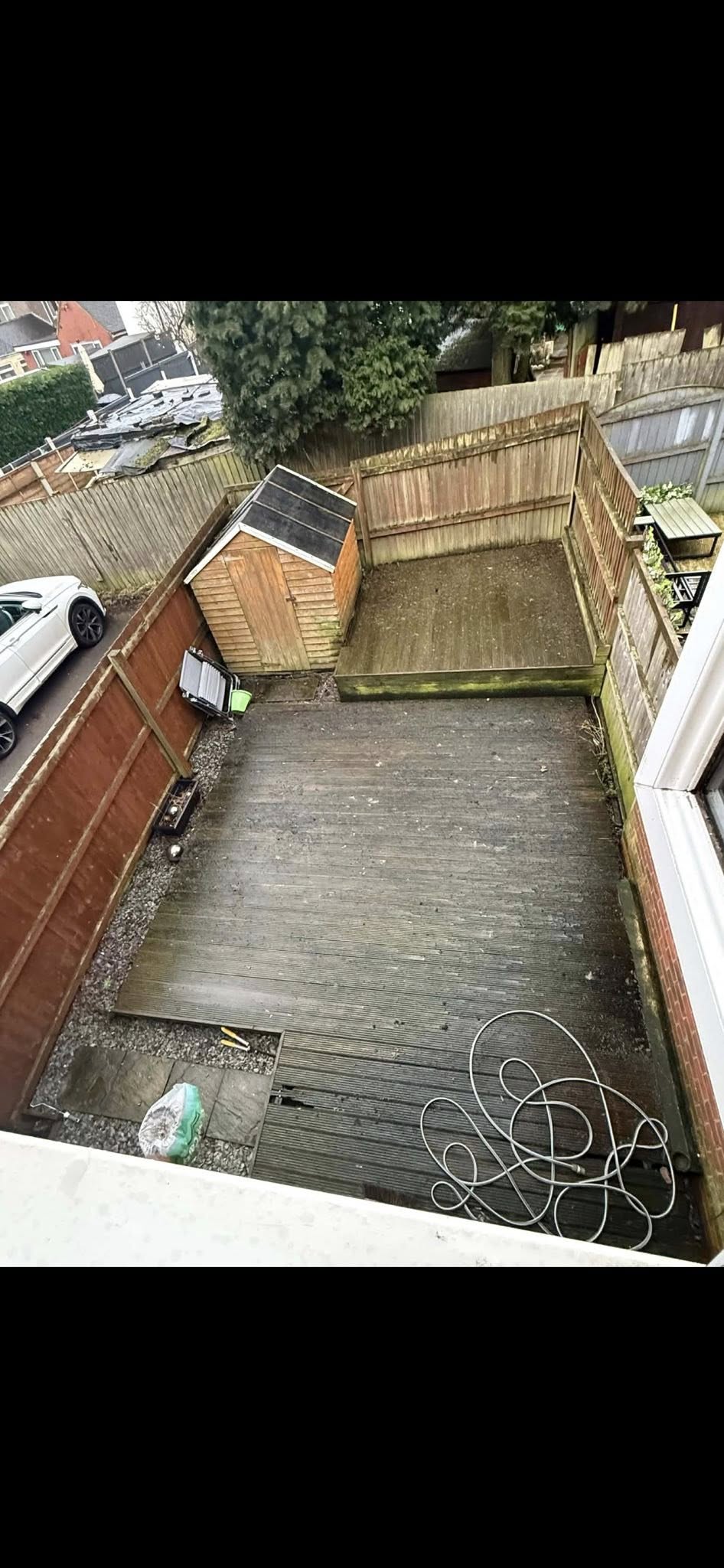
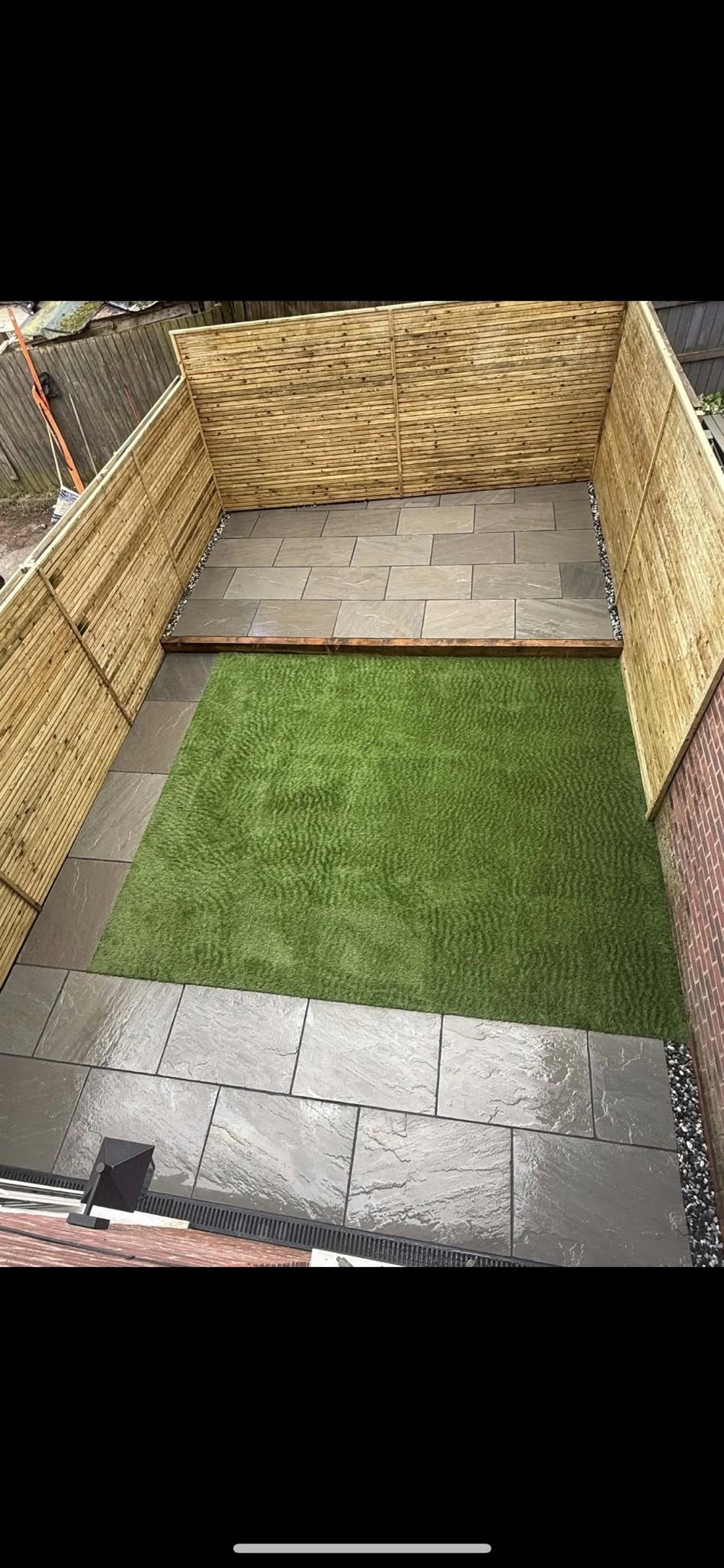
Here you can see how a garden was completely transformed using Indian stone paving, as well as other landscaping materials stocked by Emerys.
Ready to Choose? Buy Indian Stone & Porcelain Paving at Emerys
Whether you're drawn to the timeless character of Indian sandstone or the sleek, low-maintenance finish of porcelain, the best decision depends on specific requirements.
If you need advice, contact us. You can visit our branches to explore our collection of both Indian stone and porcelain paving or purchase your items online today.