


Topsoil is a massive help to West Midlands landscapers who are either upgrading a tired garden or starting from scratch.
If you’re looking to utilise topsoil and do so effectively, the team at Emerys have compiled this guide to help you use topsoil in a way that delivers the best results possible.
What Is Topsoil?
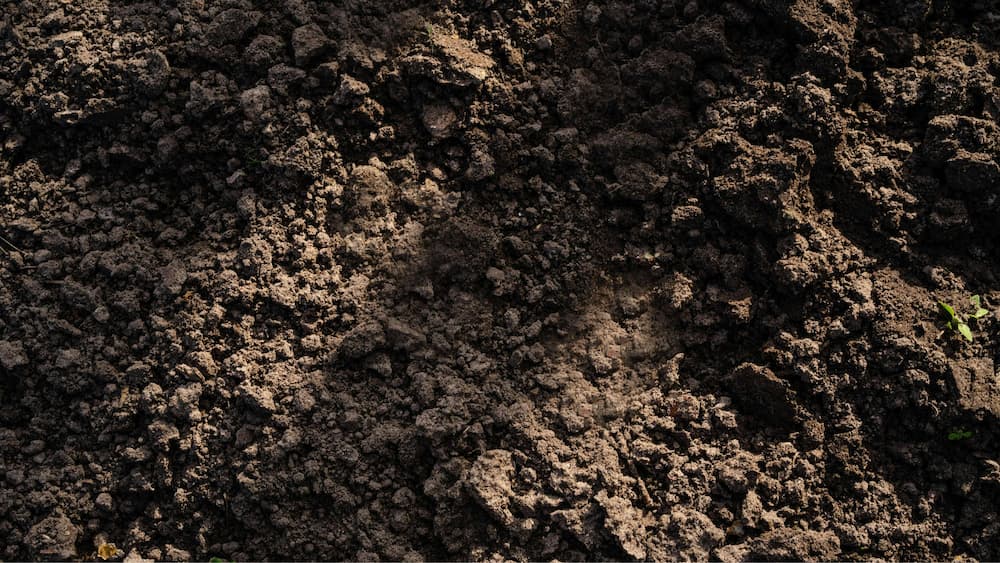
In essence, topsoil is the highest layer of ground, typically comprising the top 5cm to 20cm of earth. Building up over years, topsoil comes from weathering, decaying plant matter, and the work of earthworms and microorganisms, producing soil rich in organic material, nutrients, and materials.
The layers beneath it simply do not have the same biological activity or fertility.
This is key in West Midlands landscaping projects, where building and development work routinely strips topsoil away during construction, leaving compacted subsoil behind. That is what many homeowners are actually gardening in without realising it. Bringing in quality topsoil addresses that problem at the root.
What Is Topsoil Used For?
The honest answer is almost everything. New beds and borders, raised vegetable plots, lawn preparation, levelling uneven ground, improving drainage, top dressing an existing lawn to strengthen it over time. Topsoil underpins all of it.
It holds moisture when conditions are dry, improves drainage where ground is heavy, and feeds the microbial life that keeps soil productive season after season.
What to Do Before Putting Down Topsoil
Preparation is where most projects go wrong, not the topsoil itself.
Making sure to remove all the weeds before getting started is key, and that includes the roots as well; perennial weeds buried beneath fresh topsoil do not disappear; they get better conditions to spread. If the ground holds water long after rain, break up the compacted layer beneath with a fork or rotavator before anything else goes down. Topsoil can’t compensate for inadequate drainage below.
Loosen the existing surface to around 15 centimetres so the new material integrates with what is already there. Two layers that sit separately will restrict root growth and cause problems further down the line.
How Much Topsoil Do I Need for Turf?
Working on a new lawn? 10cm is the working minimum. Where the existing soil is in poor shape, 15cm is the more sensible figure.
A good way for landscapers to calculate what they need is to multiply length by width in metres, giving you the volume in cubic metres.
One tonne of topsoil covers approximately 0.63 cubic metres, so divide your total by 0.63 for the tonnage. Order a little more than the calculation suggests. Topsoil settles after laying, particularly after rain, and it’s helpful to avoid running short by making sure you have plenty.
For planting beds rather than lawn, 20 centimetres of depth gives roots the space they need to establish properly.
What Is the Best Way to Apply Topsoil?
Spring and autumn are the practical windows, when ground is workable but not baked dry or frozen solid. Spread the topsoil progressively across the prepared area using a rake or shovel, working methodically to keep depth consistent. Avoid standing on areas already laid.
Once spread, work the new topsoil into the existing surface layer with a garden fork. This step gets overlooked, but it matters. Topsoil sitting as a distinct band on top of compacted ground will not perform as it should. For lawn projects, take time to rake the surface to a fine, level finish before turf goes down. Any unevenness at that stage will be visible in the finished lawn.
Find West Midlands Topsoil at Emerys
The West Midlands has predominantly clay-heavy soil that compacts readily and can drain poorly. On top of that, factoring in decades of development (whether residential or commercial) means the result is a region where reliable topsoil is in demand.
Emery's supplies topsoil across the West Midlands, specifically from our depots in Stoke and Telford. If you’d like advice on your specific job, feel free to get in touch with the team.